In the past decade, cloud computing has powered nearly everything — from mobile apps and SaaS platforms to AI tools and enterprise systems. But something is quietly reshaping how modern applications perform.
That shift is edge computing.
While cloud infrastructure remains critical, edge computing is redefining how fast, reliable, and intelligent applications can become. Businesses focused on performance, real-time processing, and AI-driven workflows are increasingly moving workloads closer to users.
At Finally Free Productions, we’re seeing this shift firsthand — especially in AI-powered applications, real-time dashboards, and mobile-first platforms.
Let’s break down why edge computing is changing app performance — and why it matters more than most companies realize.

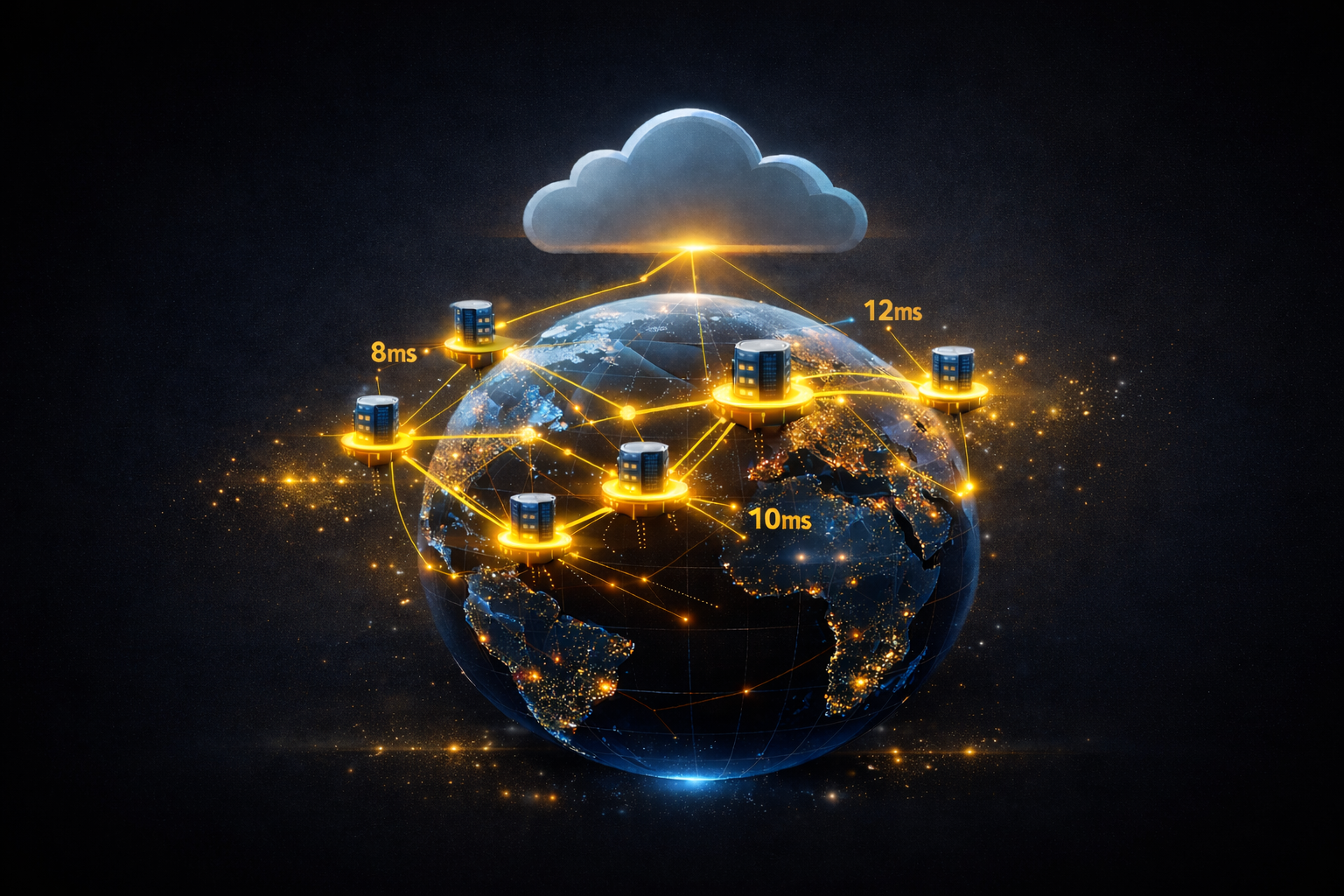
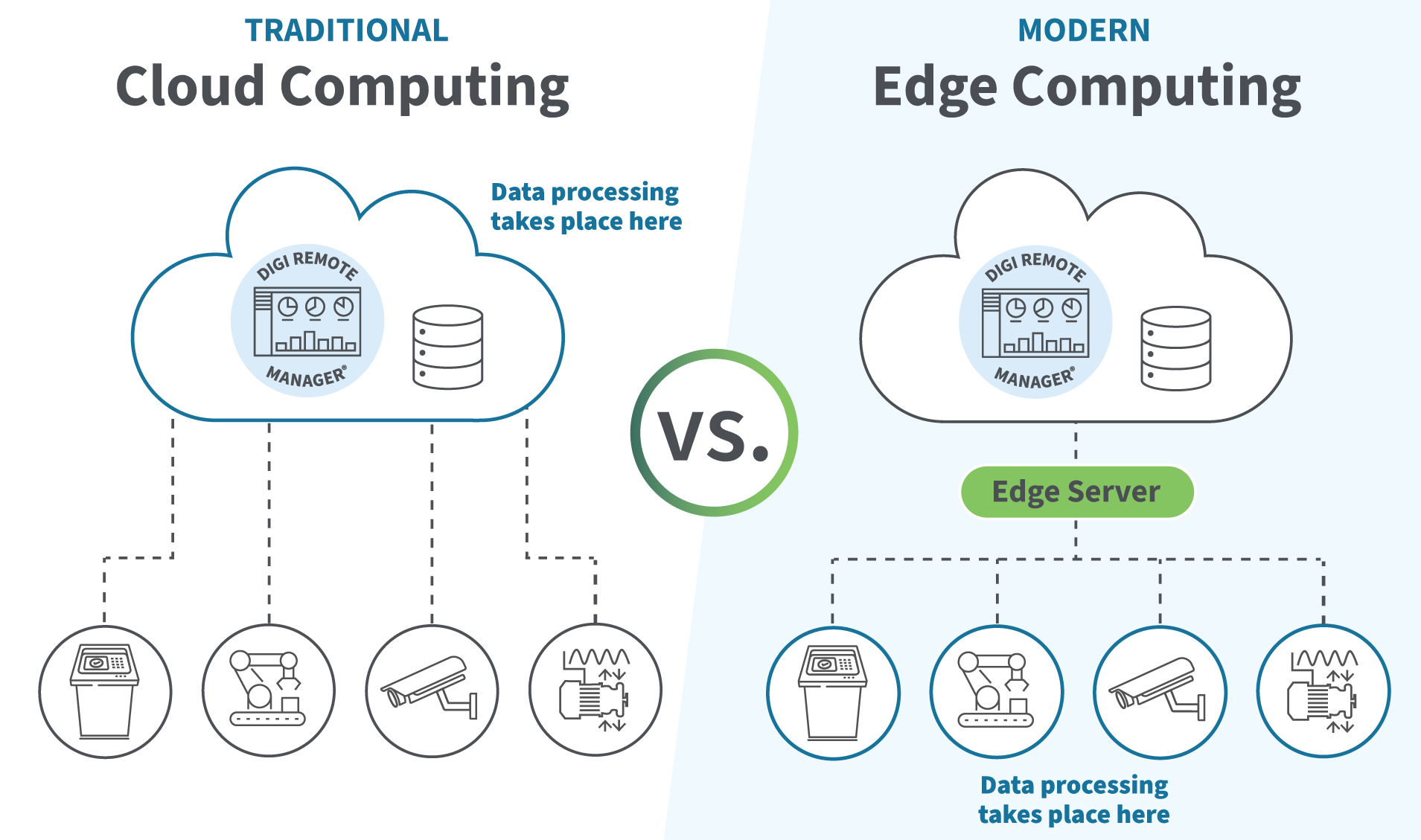
Edge computing is a distributed computing model where data processing happens closer to the user or device — instead of relying entirely on centralized cloud servers.
Instead of this:
User → Cloud Data Center → Response
It becomes:
User → Nearby Edge Node → Response
By reducing the physical and network distance data must travel, applications experience:
Lower latency
Faster load times
Improved reliability
Reduced bandwidth usage
Better real-time responsiveness
In simple terms: less travel time = better performance.
Traditional cloud models work well for centralized storage and large-scale computation. However, modern apps now demand:
Real-time AI processing
Instant messaging & collaboration
IoT device communication
AR/VR responsiveness
High-frequency transactions
Global user bases
When users are geographically far from data centers, even milliseconds of delay can impact:
User experience
App responsiveness
Conversion rates
Engagement
Retention
In high-performance environments, latency isn’t just a technical issue — it’s a business issue.
Edge servers process data near users, dramatically reducing round-trip time.
This is especially powerful for:
Fintech apps
Real-time dashboards
Multiplayer gaming
Live collaboration tools
AI assistants

AI models can now run inference at the edge — meaning decisions happen instantly without sending every request to a central server.
Benefits include:
Faster AI responses
Lower cloud costs
Enhanced privacy
Reduced data transfer
This is becoming crucial in modern AI systems and cross-platform applications.
If a central cloud region goes down, edge nodes can continue operating independently.
This makes systems:
More fault-tolerant
More scalable
More resilient
Distributed systems are no longer optional for mission-critical applications.
Mobile users expect instant performance.
Edge computing reduces:
API wait times
Data fetch delays
App startup lag
For cross-platform development frameworks, performance optimization increasingly includes edge-based content delivery and serverless edge functions.
Healthcare – Real-time patient monitoring
Retail – Smart checkout & localized personalization
Finance – Fraud detection & transaction validation
Manufacturing – IoT machine analytics
Smart Cities – Traffic and energy optimization
Edge computing is quietly becoming foundational infrastructure.
Edge computing doesn’t replace cloud computing. It enhances it.
The modern architecture looks like:
Edge → Real-time processing
Cloud → Heavy computation & storage
Hybrid orchestration → Intelligent workload distribution
This hybrid model allows apps to be both powerful and fast.
Here’s what makes edge computing strategically important in 2026:
Users expect instant experiences
AI applications demand real-time inference
IoT ecosystems are expanding
Global apps require distributed infrastructure
Performance directly affects revenue
Companies that optimize architecture early gain a major competitive advantage.
Not necessarily.
Edge computing becomes critical when:
Real-time performance is required
AI inference speed matters
Users are globally distributed
Bandwidth costs are high
System reliability is mission-critical
A thoughtful architecture strategy determines whether edge integration makes sense.
The reason edge computing is “quietly” changing app performance is because users don’t see it.
They only feel:
Faster responses
Smoother interactions
Instant AI feedback
Seamless scalability
Behind the scenes, distributed infrastructure is doing the work.
App performance is no longer just about frontend optimization or backend scaling.
It’s about where computation happens.
Edge computing represents a structural shift in how applications are built — especially for AI-powered platforms, enterprise dashboards, and cross-platform ecosystems.
At Finally Free Productions, we believe the next generation of high-performing applications will combine:
Intelligent cloud systems
Distributed edge infrastructure
AI-driven optimization
Performance-first architecture design
Because in today’s digital landscape, speed isn’t just convenience — it’s competitive advantage.
You’ve been added to the waitlist. Check your email for the next steps to complete your application.
Thanks for subscribing! Look out for monthly updates on our charity efforts and more exciting news from Finally Free Productions.
Our team will be reaching out soon.
Error: Contact form not found.