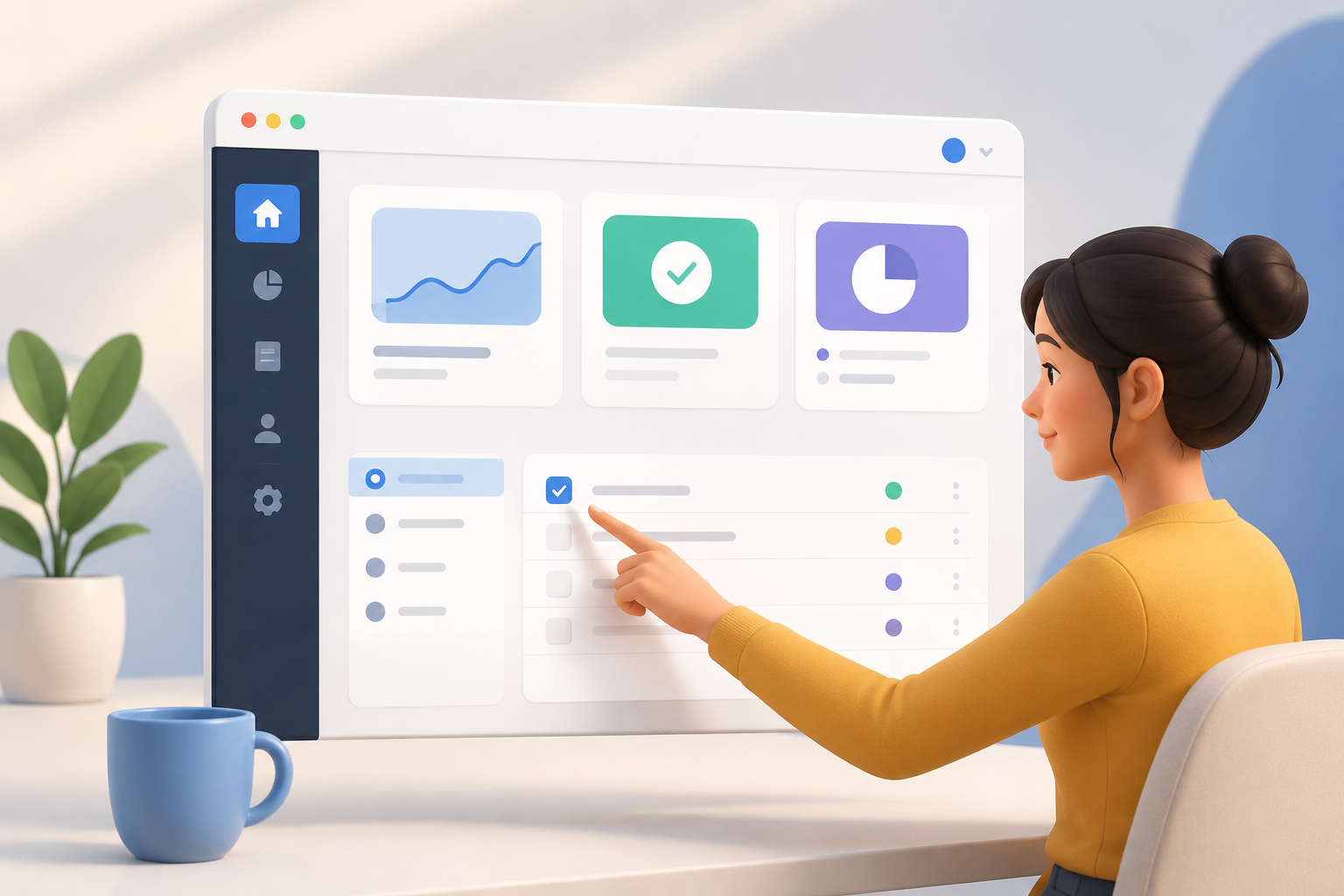
How to Design Software That Users Don’t Need Training For: A Guide to Intuitive Software Design
The best software doesn’t require users to sit through lengthy training sessions before they can be productive. Instead, it feels natural from the moment they begin using it. Whether you’re developing a SaaS platform, mobile app, or enterprise solution, intuitive design can improve adoption, reduce support requests, and increase user satisfaction.
Start with the User
Effective software design begins with understanding the user’s goals. Rather than focusing solely on features, focus on what users are trying to accomplish. When software aligns with real workflows, it becomes easier to learn and use.
Keep It Simple
Complex interfaces create confusion. Prioritize essential actions, remove unnecessary elements, and use clear labels. Every screen should have a clear purpose and guide users toward their next step.
Follow Familiar Design Patterns
Users already understand common interface conventions. Standard navigation menus, search bars, buttons, and forms help users feel comfortable without needing instructions.
Reduce Cognitive Load
Avoid overwhelming users with too many choices. Use smart defaults, logical workflows, and progressive disclosure to present information only when it’s needed.
Provide Clear Feedback
Users should always know what’s happening. Confirmation messages, progress indicators, and helpful error messages build confidence and prevent frustration.
Test with Real Users
Even well-designed software can contain unexpected usability issues. Regular testing with actual users helps identify confusion points and opportunities for improvement before launch.
Conclusion
Designing software that users don’t need training for comes down to simplicity, clarity, and user-focused design. By understanding user goals, reducing complexity, and following proven UX principles, you can create software that people can use confidently from day one.

 All
All AI & ML
 Healthcare
 Education
 Games
Games Fitness
 Business
 Webapps
 Websites
 More
More Case Studies
 Startup
 Web3 Development
 Capabilities
 Game Development
 Website Development
 Prototyping Services
 Mobile App Development
 Government Contracts
 Client Dashboard
 Design Process
 IP Protection
 Project Management
 Working with Finally Free
 FAQ
FAQ How to Videos
 About FFP
 Meet The Team
 Press
Press