
 All
All AI & ML
 Healthcare
 Education
 Games
Games Fitness
 Business
 Webapps
 Websites
 More
More Case Studies
 Startup
 Web3 Development
 Capabilities
 Game Development
 Website Development
 Prototyping Services
 Mobile App Development
 Government Contracts
 Client Dashboard
 Design Process
 IP Protection
 Project Management
 Working with Finally Free
 FAQ
FAQ How to Videos
 About FFP
 Meet The Team
 Press
Press- Our Work
-
-
PORTFOLIO
OTHERS
-
-
- Services
-
- How We Work
-
- Resources
-
- About Us
-
- Contact Us
- Let’s Talk
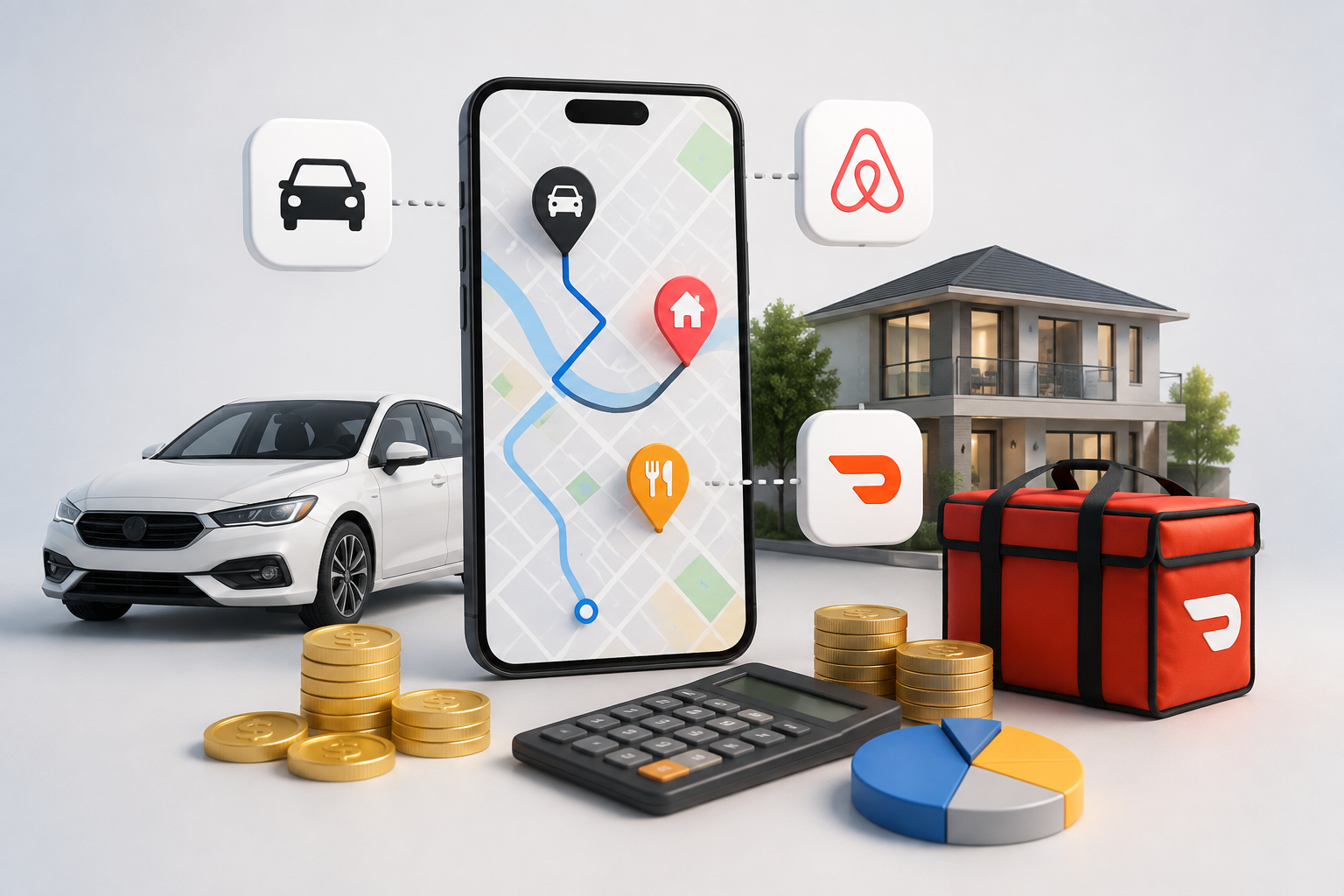
If you’re considering building the next Uber, Airbnb, or DoorDash, one of your first questions is probably: How much does it cost to build an app like this?
The short answer: a custom marketplace or on-demand application can range from roughly $40,000 for a focused MVP to $250,000+ for a sophisticated, production-ready platform. Large-scale platforms with extensive automation, integrations, security requirements, and infrastructure can cost significantly more.
The important part is understanding what you’re actually paying for.
Why Apps Like Uber, Airbnb, and DoorDash Cost More
These aren’t simply mobile apps. They’re multi-sided digital platforms connecting different types of users and coordinating transactions between them.
Uber connects riders and drivers. Airbnb connects guests and hosts. DoorDash connects customers, restaurants, and delivery drivers.
That means your product may require several interconnected systems, including:
- Customer-facing mobile or web applications
- Provider, driver, host, or vendor interfaces
- Administrative dashboards
- Payment processing
- User authentication
- Real-time notifications
- Messaging
- Location and mapping services
- Ratings and reviews
- Search and filtering
- Analytics and reporting
- Third-party API integrations
- Cloud infrastructure and databases
Every additional feature adds development, design, testing, security, and maintenance requirements.
How Much Does an App Like Uber Cost?
An Uber-style application typically requires customer and driver experiences alongside an administrative platform.
Important features may include GPS tracking, maps, real-time driver availability, automated pricing, payment processing, trip management, notifications, ratings, and driver onboarding.
A focused MVP might begin around $50,000–$100,000, while a mature transportation or service marketplace can reach $150,000–$300,000+, depending on its complexity and scale.
How Much Does an App Like Airbnb Cost?
Airbnb-style marketplace applications have a different technical structure.
Typical features include user accounts, property or service listings, advanced search, availability calendars, booking management, payments and payouts, messaging, reviews, maps, and host management.
A streamlined marketplace MVP could fall around $40,000–$100,000, while a comprehensive platform may require $100,000–$250,000+.
How Much Does an App Like DoorDash Cost?
Delivery platforms can become particularly complex because multiple parties must interact in real time.
A DoorDash-style platform may require customer ordering, vendor management, driver applications, GPS tracking, dispatch systems, payments, order status updates, push notifications, promotions, and an administrative dashboard.
An MVP might cost approximately $60,000–$120,000, while a sophisticated delivery ecosystem can exceed $200,000–$300,000.
What Determines Your App Development Cost?
The biggest cost factor isn’t whether your idea resembles Uber, Airbnb, or DoorDash. It’s the scope of your specific product.
Several factors can significantly change the final budget.
1. Features
A straightforward marketplace with accounts, listings, payments, and basic messaging will cost considerably less than one incorporating live GPS tracking, AI recommendations, automated dispatching, dynamic pricing, and advanced analytics.
2. Platforms
Building for web, iOS, and Android can require more resources than launching on a single platform. Cross-platform technologies can sometimes reduce development time while still providing strong mobile experiences.
3. UI/UX Design
Successful applications need more than functional code. User research, information architecture, prototyping, interface design, accessibility, and usability testing all contribute to the development investment.
4. Third-Party Integrations
Services such as Stripe, Google Maps, Twilio, AWS, Firebase, and other APIs can accelerate development, but integrations still require engineering work and may introduce ongoing usage fees.
5. Backend Infrastructure
Marketplace applications need reliable systems for storing data, processing transactions, managing users, handling notifications, and communicating between applications.
The infrastructure required for 500 users is very different from infrastructure designed to support hundreds of thousands.
6. Security and Compliance
Applications handling personal information, payments, location data, healthcare information, government data, or other sensitive information may require additional security and compliance work.
Should You Build the Entire Platform First?
Usually, no.
A smarter approach is often to develop a Minimum Viable Product (MVP) containing the features necessary to validate your core business model.
Instead of trying to recreate every feature Uber or Airbnb has developed over many years, identify the smallest version of your platform that solves the customer’s primary problem.
Launch it. Gather real-world data. Then improve the product based on what users actually need.
This approach can lower initial app development costs while reducing the risk of investing heavily in features customers don’t use.
Don’t Build “Another Uber.” Build Your Advantage.
Uber, Airbnb, and DoorDash demonstrate what technology-enabled marketplaces can accomplish, but copying an established platform feature-for-feature rarely creates a competitive advantage.
The better question is:
What can your platform do better for a specific customer, industry, or market?
That difference should drive your technology strategy.
At Finally Free Productions (FFP), we help organizations turn ambitious digital product concepts into practical development roadmaps—from strategy and UI/UX through engineering, integrations, testing, deployment, and ongoing optimization.
If you’re considering building an on-demand application, marketplace, SaaS platform, or custom digital product, the first step is defining the requirements.
Ready to determine what your app could cost? Contact Finally Free Productions to discuss your concept and build a development roadmap around your goals, users, and budget.
